Platelet-Rich Plasma (PRP) Therapy at Regenerative Performance
At Regenerative Performance, Platelet-Rich Plasma (PRP) therapy is one of the foundational tools we use to help patients recover from orthopedic injuries and chronic pain, without cortisone or surgery. Supported by a growing body of research and clinical success, PRP injections use your body’s own platelets to stimulate natural healing in damaged tissues such as tendons, ligaments, joints, and nerves.
Regenerative Performance provides image-guided PRP injections in Gilbert, Arizona, using ultrasound and, when the structure requires it, fluoroscopy, performed by Dr. Drew Timmermans, ND, RMSK, who is certified in musculoskeletal sonography.
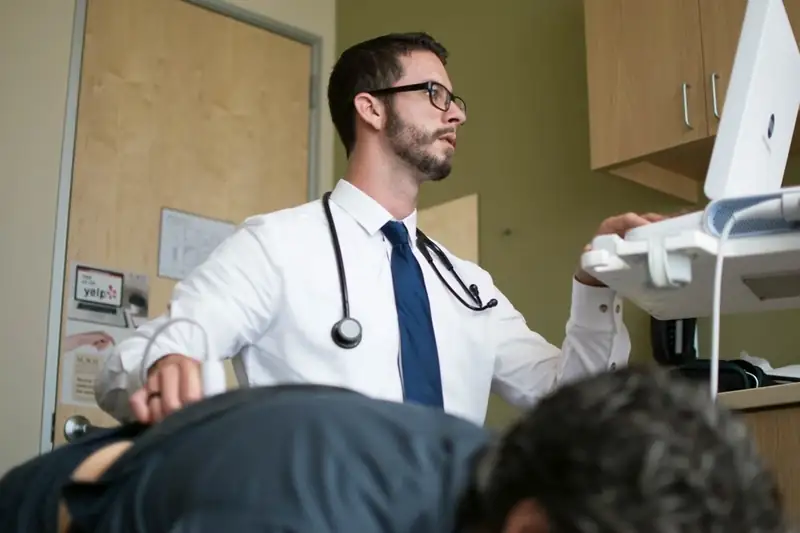
Whether you’re recovering from a sports injury, dealing with chronic orthopedic pain like osteoarthritis, or trying to avoid invasive surgery, PRP may be the solution you be looking for to help you move, feel, and live better.
What is Platelet-Rich Plasma? PRP is a concentrated solution of platelets derived from your own blood, which contain a wide range of growth factors and signaling molecules. While platelets are best known for their ability to help with clotting after an injury, the growth factors found in PRP also stimulate healing, reduce inflammation, and encourage tissue recovery.
When injected into damaged or inflamed tissues, these platelets release growth factors and cytokines that stimulate collagen production for stronger tissues, support new blood vessel growth to deliver more blood to the injured area, modulate inflammation to reduce pain, and recruit your own stem cells to the area to assist in tissue recovery. Taken together, these result in a more natural, biologically-driven healing response, rather than just masking symptoms.
Are All PRP Treatments the Same?
No, not all PRP treatments are created equal. The effectiveness of PRP therapy depends heavily on three key factors: accurate diagnosis of the root cause of your pain, precise delivery with ultrasound and/or X-ray guidance, and the concentration and total dose of injected PRP. At Regenerative Performance, we go beyond the basics to ensure you’re receiving the highest level of care.
Before we begin any treatment, we perform a comprehensive diagnostic workup to determine the true source of your pain. Musculoskeletal pain is often multifactorial, and what feels like a joint problem may actually be coming from supporting ligaments, fascia, or nerves. If PRP is not injected into the correct structure that’s causing you pain, even the best preparation won’t deliver the results you deserve.
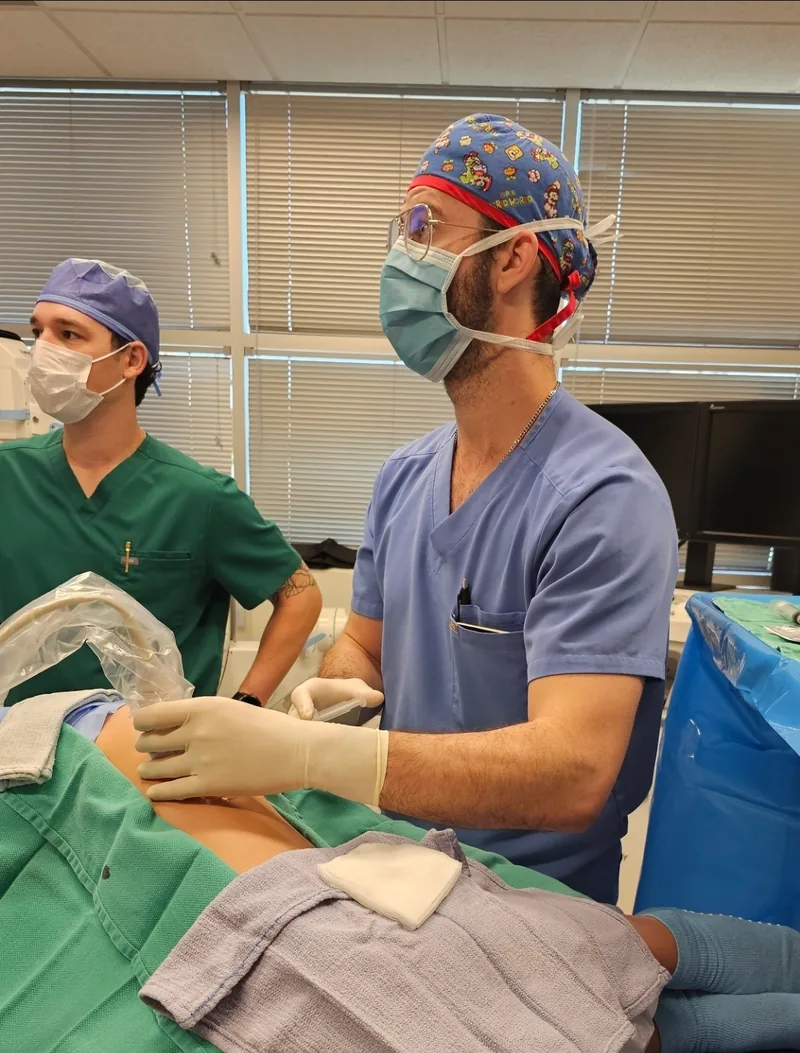
Once we have a solid understanding of which structures need to be treated to maximize your results, we use ultrasound and/or fluoroscopy (X-ray) to guide every single injection. This ensures the PRP is delivered exactly where it’s needed, whether that’s into a small tear in a ligament, an area of degeneration in a tendon, or around a nerve entrapment. Accurate placement dramatically improves outcomes and minimizes risk compared to palpation (AKA blind) guided injections. Unfortunately, many clinics still perform PRP injections without any imaging, which reduces precision and effectiveness, and increases risk of complications.
The healing potential of PRP also depends on both the platelet concentration and total dose of platelets injected. At Regenerative Performance, we test each sample in-house to confirm platelet count and ensure it meets therapeutic levels supported by current research1. This means your treatment is customized, consistent, and biologically optimized, not just a generic spin-and-inject procedure.
Tailoring the Right Type of PRP for You: LP-PRP, LR-PRP, Platelet Poor Plasma, and Platelet Lysate
Just like not all PRP is created equally, different conditions respond better to different formulations2. At Regenerative Performance , we go beyond simply concentrating platelets to therapeutic levels. We carefully select the type of PRP that best matches your tissue type, injury, and healing goals. Here’s how we break it down:
Leukocyte-Poor PRP (LP-PRP)
LP-PRP is a preparation of PRP that is low in white blood cells (leuykocytes), specifically a subset of leukocytes called neutrophils. For this reason, we sometimes refer to this preparation as Neutrophil-Poor PRP, as we still want to concentrate other subsets of white blood cells, such as lymphocytes, as these have been shown to be beneficial for healing. This type of PRP may be more suited for joint conditions such as osteoarthritis, and some types of tendon and ligament issues.
Leukocyte-Rich PRP (LR-PRP)
LR-PRP is a preparation of PRP that contains higher levels of white blood cells (leukocytes) in addition to platelets. LR-PRP produces a stronger inflammatory response, which can be beneficial in cases where a more aggressive regenerative signal is needed.
Platelet-Poor Plasma (PPP)
Often overlooked, PPP is the portion of plasma left over after platelet concentration. Compared to PRP, there are many growth factors that are in lower concentrations, but some, such as insulin-like growth factor 1 (IGF-1) that are found in higher concentrations. This preparation has been shown to be more beneficial for muscle injuries, and clinically we have also seen it do well for fascial pain.
Platelet Lysate (PL)
Platelet lysate is a special preparation of LP-PRP, where the individual platelets are intentionally destroyed before injection, which releases the growth factors from inside the platelets for immediate bioavailability. Think of PL like an instant release version of PRP, delivering instantaneous growth factors in high concentrations, instead of slow release from the platelets in PRP. This preparation works well for nerve-related conditions such as neurogenic inflammation or nerve entrapment, and may also be better suited for patients who have reacted too strongly to PRP in the past.
What Can Be Treated with PRP Therapy?
- Tendons
- Ligaments
- Joints
- Bones
- Discs
- Nerves
- Muscles
- Fascia
- Knee osteoarthritis
- Rotator cuff tears
- Meniscus tears
- Carpal tunnel syndrome
- Lumbar degenerative disc disease and annular tears
- Gluteal tendinosis
- Medial and lateral epicondylosis (golfers and tennis elbow)
- Plantar fasciitis
If knee arthritis is what brought you here, our guide to alternatives to knee replacement walks through the non-surgical options in detail.
If a rotator cuff tear is what brought you here, our field note on bone marrow concentrate and PRP for rotator cuff tears reviews what the current research shows.
What Is the Success Rate of PRP Therapy?
Published trials and systematic reviews report meaningful improvements in pain and function for well-selected patients treated with properly-dosed PRP, particularly for knee osteoarthritis13.
We also track our own results in the DataBiologics outcome registry, which covers the full range of regenerative injection procedures we perform, PRP included. Across that registry, results build over time rather than overnight: at 1 month after treatment, 48% of patients across our registry report significant pain relief, increasing to 67% at 6 months and 80% by 18 months. Over the same window, average pain reduction climbs from 25% at 1 month to 45% at 12 months and 59% by 18 months. Significant pain relief means at least a 50% reduction in pain or a best pain score of 2 or lower on a 10-point scale.
Our complete guide to PRP therapy breaks down what the published evidence covers, condition by condition.
Registry data from our single practice, powered by DataBiologics, is not a randomized clinical trial. Individual results may vary.
Why Do PRP and Cortisone Injections Produce Different Long-Term Results?
Cortisone reduces inflammation, which is why it can relieve pain quickly, but it does not address the structural cause of that pain, and repeated cortisone injections carry cartilage and tendon downsides. PRP works differently: it concentrates your own platelets and growth factors and delivers them to the damaged tissue to support the body’s repair process. One quiets the symptom, while the other supports repair of the cause.
That difference shapes how we use each. In our practice we almost never use cortisone for an osteoarthritic joint. We reserve it for the rare, genuinely-indicated flare, and never as a routine series. For load-bearing tendons, we advise against corticosteroid injection into or around the tendon because it can weaken the tendon tissue. In a 2026 retrospective multicenter MRI study of patients with chronic tennis elbow, a prior cortisone injection was associated with more severe structural damage at the tendon origin, an association the authors note cannot prove cause5. Many of our patients have also simply chosen to avoid cortisone because it conflicts with their personal health philosophy. If cortisone injections helped you temporarily but no longer last, that pattern is usually the signal to look at what is actually driving the pain, which is exactly what our evaluation is designed to find. For a full side-by-side look at how the two options compare, see our PRP vs cortisone comparison guide.
What If PRP Didn’t Work for You Before?
When a PRP treatment somewhere else didn’t help, the treatment itself is not always the problem. The most common issue we see in failed regenerative cases is a missed or incomplete diagnosis: the injection treated a structure, but not the structure that was actually driving the pain. The next most frequent culprit is under-dosing, a PRP preparation with too few platelets for the tissue being treated, which can look like PRP simply not working when the dose, not the biology, was the problem. Placement matters too, which is why every injection here is image-guided. For a fuller walk-through, see what a failed PRP injection usually means.
Re-evaluation at Regenerative Performance starts from scratch: an in-depth history, a hands-on physical exam, and diagnostic ultrasound to map which structures are actually generating your pain. Our PRP processing is standardized to deliver a platelet dose in the therapeutic range for the structure being treated, and we test each sample in-house to confirm platelet count and ensure it meets therapeutic levels.
The Regenerative Performance Approach to PRP
At Regenerative Performance, our approach is evidence-informed34, image-guided, and results-focused. What sets us apart:
Comprehensive Evaluation
Every patient journey begins with a detailed diagnostic workup, including an extensive medical history review, a thorough hands-on physical assessment, and diagnostic imaging, all designed with one goal in mind, to understand the true source of your pain.
Customized Treatment Plans
We don’t believe in one-size-fits-all protocols. We tailor your PRP treatment based on your injury, health status, and personal goals.
Image-Guided Injections
Every injection is performed under ultrasound and/or fluoroscopic guidance to ensure precision and improve clinical outcomes, while minimizing risk of complications.
Adjunctive Support
As part of a comprehensive and holistic approach to chronic pain, we also utilize supplements, peptides, nutrient IVs, and hyperbaric oxygen therapy to help support your body’s ability to heal itself. We incorporate these therapies both before and after procedures to get your body ready for the PRP injection, but also to optimize your outcomes.
Track Record of Success
Dr. Timmermans has been performing regenerative procedures for over a decade and has tracked patient outcomes through DataBiologics since 2021 to ensure continuous improvement and transparency.
Patients Come From These Areas to Our Office
At Regenerative Performance, we’re honored to welcome patients from across the East Valley and surrounding communities who seek high-quality, personalized PRP therapy. Our reputation for advanced treatments and compassionate care draws individuals from a wide range of nearby cities.
We proudly serve patients from:
Whether you’re nearby or coming from a neighboring city, our doors are always open to help you feel your best.
Get started today
What Our Patients Say
I've been suffering from a herniated disc for a year. Dr. Timmermans treated me with PRP. 3 months later and my pain went from an average of 6-7 to currently a 1.
Verified Google review
Dr. T is amazing, thorough, and friendly. I highly recommend him for PRP treatment. After only 3 months, my shoulder feels great.
Verified Google review
I cannot thank Dr Timmerman enough for helping me find pain relief for my back and shoulders with a PRP treatment.
Verified Google review
Frequently Asked Questions
Why choose Regenerative Performance for PRP therapy?
At Regenerative Performance, we specialize in non-surgical solutions for chronic pain and orthopedic injuries, and platelet-rich plasma (PRP) therapy is one of the core orthobiologic treatments we use. Our orthobiologic director, Dr. Drew Timmermans, is RMSK-certified in diagnostic musculoskeletal ultrasound and completed a residency in integrative pain management and regenerative medicine. He practices evidence-informed orthobiologics, which means your care is guided by both the latest research and real-world clinical experience.
We use image-guided injections with ultrasound and/or X-ray (fluoroscopy) depending on the type and location of the injection. This ensures maximum accuracy, safety, and effectiveness, delivering regenerative medicine precisely where your body needs it most.
We take the time to understand the full picture of your health with in-depth diagnostics before recommending any treatment. Every plan is personalized to your unique condition, anatomy, and goals. Dr. Timmermans also trains medical students and residents, helping to shape the next generation of regenerative medicine providers, so your care reflects both current evidence and daily procedural experience.
What should I expect during my PRP treatment?
A PRP treatment at Regenerative Performance is a same-day procedure: we draw your blood and process it into the PRP preparation that is right for your case. The PRP is then injected back into your painful tissues with ultrasound and/or X-ray guidance. Some procedures take only 30 minutes, but other more complex cases may be longer.
Am I a candidate for PRP therapy?
Not everyone is a candidate for PRP injections, and that’s exactly why we start with a thorough evaluation. We won’t rush you into a procedure; we take the time to identify the root cause of your pain and determine whether PRP injections are the best solution for you. Your overall health, lifestyle, and treatment goals all play an important role in the decision-making process. If you’re not a candidate, we’ll discuss alternative options that are more appropriate for your situation. Our goal is to recommend what’s best for you, not just what’s available.
How long does PRP therapy take to show results?
Most patients notice improvements in pain and function within 3-4 weeks after their PRP treatment. Because this therapy works by stimulating your body’s natural healing response, results build gradually, not overnight. Improvements often continue to progress over time, with many patients experiencing ongoing improvement for 3-6 months. The timeline can vary depending on the area treated, the severity of your condition, and your body’s individual healing response. We’ll be here to support you throughout the process and track your recovery every step of the way.
How long do PRP injections last?
For orthopedic and sports medicine conditions, many patients experience PRP benefits that last 18-24 months. Every patient responds differently based on condition, age, and activity level, and PRP therapy often provides long-term relief in both pain and function. This extended period of pain relief occurs because PRP therapy can help stimulate tissue healing, rather than just masking symptoms like cortisone injections. We’ll monitor your progress closely after treatment and provide guidance on how to support and extend your results through movement, nutrition, and other supportive therapies.
Is PRP therapy safe?
When performed by a trained physician using your own PRP and sterile technique, PRP therapy is generally considered safe. As with any medical procedure, there are risks, such as bleeding, infection, or temporary pain at the injection site, but serious complications are rare. We follow strict protocols and sterile technique to maximize safety and minimize risk.
Are PRP injections painful?
Most patients tolerate PRP injections very well. You may feel some pressure or brief discomfort during the procedure, especially in sensitive areas, but we take every step to ensure you’re as comfortable as possible.
For those who are anxious about pain or prefer a more relaxed experience, IV anesthesia is available. This allows you to rest comfortably throughout the procedure while we perform your procedure with precision using ultrasound or X-ray guidance. We’ll talk through all your options beforehand, so you feel informed, prepared, and at ease.
Does insurance cover PRP therapy?
Insurance may cover platelet-rich plasma for qualifying chronic non-healing wounds when coverage criteria are met, but PRP injections for joint, tendon, and other musculoskeletal conditions are typically not covered because insurers consider them investigational. Many patients use HSA or FSA funds toward treatment, and we provide an itemized superbill on request that you can submit to your plan. What your plan requires and how you submit it from there is between you and your plan. To help make treatment more accessible, we have partnered with Advance Care Card, which you can apply to help finance your treatments. Regenerative Performance is not contracted with any insurance providers; we are a cash-pay clinic.
Why does the cost of PRP therapy vary between clinics?
The cost of PRP therapy varies between clinics because the treatment itself does: the number and complexity of structures treated, the platelet dose the case calls for, the guidance used, and the depth of the diagnostic workup behind it all differ. At Regenerative Performance, every plan starts with a thorough diagnostic workup to find the root cause of your symptoms, and your treatment recommendation is matched to that diagnosis. On a phone call or discovery call we can give you a range of fees by body region, and an exact quote comes after we finalize your diagnosis at your new-patient evaluation.
References
- Bansal H, Leon J, Pont JL, et al. Platelet-rich plasma (PRP) in osteoarthritis (OA) knee: Correct dose critical for long term clinical efficacy. Sci Rep. 2021;11(1):3971. doi:10.1038/s41598-021-83025-2
- Hurley ET, Danilkowicz RM, Klifto CS. Editorial Commentary: Platelet-Rich Plasma Injections Produced a Significant Improvement in Most Patients With Rotator Cuff Tendinopathy. Arthroscopy. 2023;39(9):2009-2011. doi:10.1016/j.arthro.2023.03.022
- Wang F, Meng F, Chan TCW, Wong SSC. Platelet-Rich Plasma for Treating Chronic Noncancer Pain: A Systematic Review and Meta-analysis of Randomized Controlled Trials. Pain Ther. 2025;14(4):1169-1188. doi:10.1007/s40122-025-00751-5
- Belk JW, Houck DA, Littlefield CP, et al. Platelet-Rich Plasma Versus Hyaluronic Acid for Hip Osteoarthritis Yields Similarly Beneficial Short-Term Clinical Outcomes: A Systematic Review and Meta-analysis of Level I and II Randomized Controlled Trials. Arthroscopy. 2022;38(6):2035-2046. doi:10.1016/j.arthro.2021.11.005
- Henze AS, Eckl L, Kadantsev P, et al. MRI severity of common extensor origin damage associated with prior glucocorticoid injection in chronic lateral epicondylitis: a retrospective multicenter analysis. BMC Musculoskelet Disord. 2026. doi:10.1186/s12891-026-10450-7