Stem Cell Therapy in Gilbert, AZ
At Regenerative Performance, Dr. Drew Timmermans, ND, RMSK, specializes in naturopathic medicine and orthobiologics aimed at addressing the root causes of chronic pain. Stem cell therapy, AKA autologous cellular therapy is one of the powerful tools in his toolbox that could change your life.
Cases treated with a cell-based product, from our outcome registry. Registry data updated July 2026.
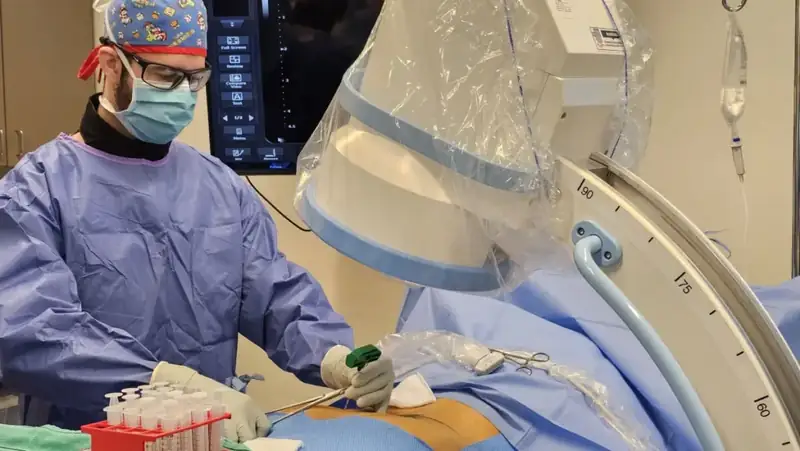
What is Stem Cell Therapy?
Stem cell therapy is a minimally invasive treatment that utilizes your body’s own regenerative cells to support the healing of painful tissues. Despite this approach still being considered experimental, there is a growing body of scientific evidence demonstrating both the safety and efficacy12.
At Regenerative Performance, Dr. Timmermans uses both bone marrow concentrate and microfragmented adipose tissue3 as sources of stem cell therapy. Each of these sources comes from your own body and has unique properties that can result in an improvement in pain and function.
Stem cell therapy involves harvesting cells, including adult mesenchymal stem cells, from your own body and injecting them into areas that are contributing to your pain. The cells, proteins, growth factors and signaling molecules present in both bone marrow and adipose tissues trigger a new healing response in your body, which can help to reduce inflammation, support healing, and improve your quality of life.
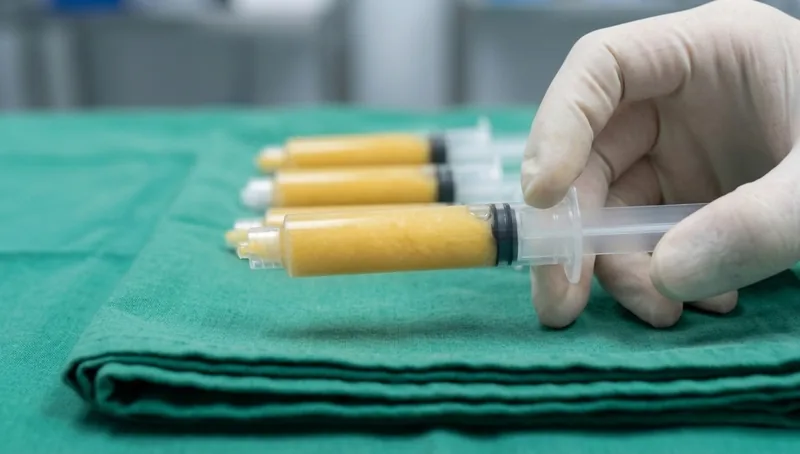
A Note on Terminology
Most people call this stem cell therapy, and that is the term we use throughout this page. Because bone marrow concentrate and microfragmented adipose tissue contain several cell types plus proteins and growth factors, you may also see the more precise term autologous cellular therapy.
How Does Stem Cell Therapy Work?
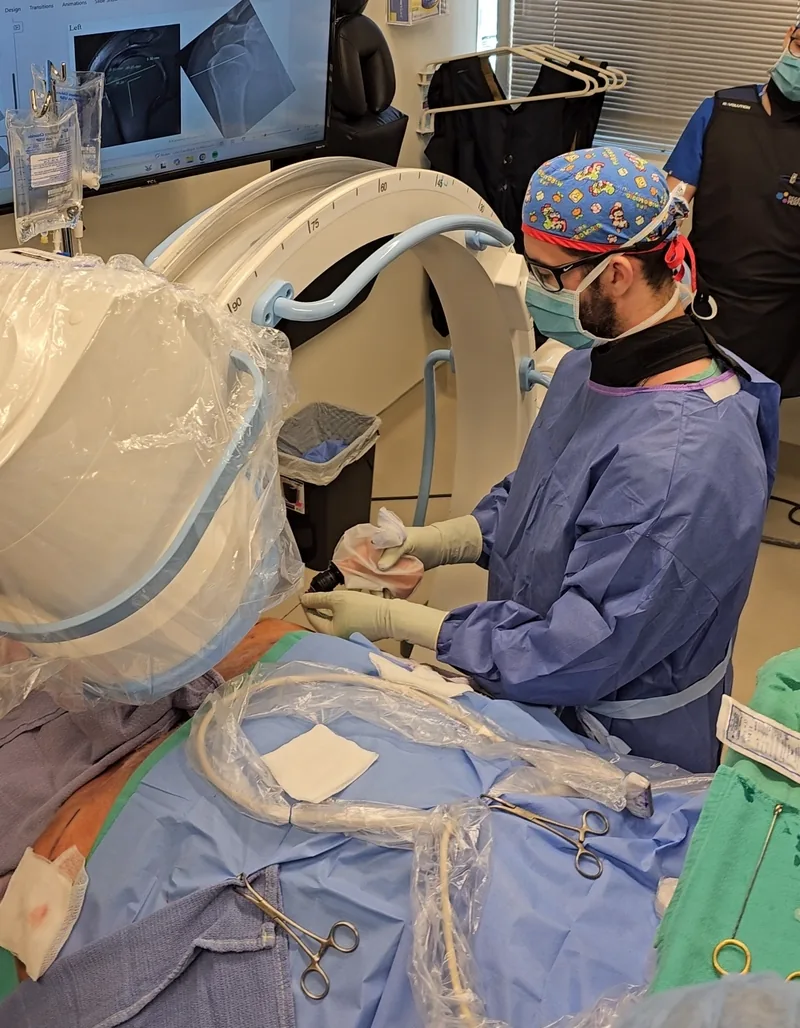
Stem cell therapy works by concentrating your own bone marrow or fat-derived cells and injecting them, under image guidance, into the structures contributing to your pain to support healing. The procedure begins with collecting your bone marrow or adipose tissue using minimally invasive techniques. That tissue is then minimally processed to concentrate the stem cells, progenitor cells, proteins, and growth factors. These are injected under image guidance (ultrasound and/or fluoroscopy) into the targeted area, where they can contribute to inflammation reduction and tissue healing.
Think of your body as a complex repair system. Within this system, stem cells serve as specialized emergency response units. These remarkable cells exist naturally throughout your body and possess two key capabilities. First, they have the biological potential to develop into different types of cells and tissues. Second, and perhaps more importantly, they act as sophisticated communication centers.
The traditional view of stem cells suggested that they worked by turning into new tissue to replace damaged tissue. However, recent scientific understanding has revealed a more nuanced and fascinating reality. The primary way stem cells promote healing is through their signaling ability – the stem cells act as master coordinators of the healing process. When injury occurs, stem cells release specific molecular signals that accomplish two crucial tasks: they activate dormant stem cells in the surrounding area and stimulate existing healthy cells to begin repairing themselves and the damaged tissue around them.
By orchestrating this profound healing response, stem cell therapy from bone marrow or adipose tissue can help reduce pain and inflammation and get you back to doing the things you love in life.
What Can Be Treated with Stem Cell Therapy?
Stem cell therapy can be used to address most types of orthopedic pain and sports injuries that are coming from tissues such as:
- Tendons
- Ligaments
- Joints
- Bones
- Discs
- Nerves
- Muscles
- Fascia
Most cases of chronic pain involve a combination of tissues that are contributing to pain. Our diagnostic workup evaluates all of these structures to determine which tissues need to be treated in your specific case. Research shows that the best outcomes are seen when a comprehensive approach is taken, which means that all of the structures that are contributing to your pain are treated with stem cell therapy.
For severe knee arthritis, our guide to non-surgical knee replacement alternatives explains the regenerative options we offer.
For rotator cuff tears, our field note on bone marrow concentrate and PRP for rotator cuff tears reviews what the current research shows.
Stem Cell Therapy for the Spine, SI Joint, and Low Back
Chronic back pain may be coming from the discs, the facet joints, the sacroiliac (SI) joint, or the ligaments and muscles that support the spine, and the right treatment plan depends on identifying which of those structures is actually driving your pain. Our diagnostic workup maps these pain generators before any injection is planned.
For spine and SI joint cases, bone-bordered targets such as the facet joints and the SI joint capsule are injected under fluoroscopic (live X-ray) guidance, while the supporting ligaments and soft tissues are treated under ultrasound. In our outcome registry, 74% of low-back patients report significant pain relief at 12 months, with 77% still reporting relief at 18 months. If your back pain has an SI joint component, our guide to SI joint pain treatment explains how we evaluate and treat these cases.
Stem Cell Therapy for Rotator Cuff Tears (Non-Surgical Option)
BMAC stem cell therapy is a non-surgical option for partial-thickness rotator cuff tears in appropriately selected patients. Selection depends on what the imaging and the examination show: partial-thickness tears and tendon degeneration are the patterns most often treated this way, while a complete tear that requires surgical repair is not a candidate. The injection is placed under ultrasound guidance into the torn tendon and the structures supporting it.
Is Stem Cell Therapy an Alternative to Knee Replacement?
For selected patients with moderate to advanced knee osteoarthritis, stem cell therapy may help delay or avoid knee replacement; end-stage bone-on-bone arthritis with joint misalignment may genuinely be better served by replacement. See our knee outcome data for what our registry shows for knee patients. For a closer look at the research, our guide to stem cell therapy for knee arthritis reviews the 15-year data and what to expect from evaluation to recovery. If it is your hip rather than your knee, our guide to alternatives to hip replacement for hip osteoarthritis covers the hip-specific research.
Stem Cell Therapy for Ankle Arthritis
For selected patients with ankle arthritis, we use live X-ray guidance to inject bone marrow concentrate into the bone, an approach we also use for the knee, hip, and shoulder. In an observational study of non-traumatic arthritis in both ankles, mostly associated with osteonecrosis (bone death from impaired blood supply), fusion or replacement occurred less often in BMC-treated ankles during follow-up through 15 years: 18.2% compared with 50.0% of the opposite ankles managed with nonsurgical care4. Candidacy depends on the examination and imaging; an ankle with severe deformity or a collapsed joint may be better served by surgery.
Are All Stem Cell Treatments the Same?
While the use of stem cell therapy is rapidly growing in popularity, not all stem cell treatments are equal, and the quality of treatment depends on three key factors: accurate diagnosis, proper harvesting and concentration, and precise delivery. When any of these three factors is missing, the chance for treatment failure increases. At Regenerative Performance, we place an enormous emphasis on the diagnostic workup, we utilize the latest technology and methods to harvest and concentrate your cells, and always perform our injections under direct ultrasound and x-ray guidance. All of this is done to ensure that we are doing everything we can to maximize your results.
Dr. Drew Timmermans, ND, RMSK (Registered in Musculoskeletal Sonography) is a stem cell doctor in Gilbert, Arizona who performs every injection under ultrasound or fluoroscopic guidance.
For a deeper look at the procedure, read our complete guide to bone marrow concentrate.
Getting the diagnosis right matters especially for knee osteoarthritis, where patients often want to know how stem cell therapy and PRP compare before choosing a treatment path.
PRP vs. Stem Cell Therapy: How Do They Compare?
PRP concentrates platelets and growth factors from your blood; it delivers no stem cells. Stem cell therapy (BMAC or MFAT) is a stronger treatment compared to PRP. In our experience the two can reach similar pain relief for most problems; PRP usually takes more treatments to get there, and research suggests stem cell therapy may do a better job supporting repair of the structure itself, such as partial-thickness rotator cuff tears or bone marrow swelling beneath the cartilage in knee osteoarthritis.
Some patients feel worse while imaging improves and some feel fine while imaging worsens, so we treat the structure and the symptoms together. Most patients start with PRP, but many start directly with stem cell therapy; which fits your case is a diagnostic decision made at your evaluation. If you are weighing stem cell therapy because PRP did not work for you the first time, a re-evaluation of the original diagnosis comes first.
What Types of Stem Cells Will Be Used in My Treatment?
Your treatment uses mesenchymal stem cells (MSCs) and hematopoietic stem cells (HSCs) from your own bone marrow or fat tissue, never donor, umbilical, or embryonic cells. The bone marrow and microfragmented fat (MFAT) we use also carry proteins, growth factors, and signaling molecules, all of which are important for optimal healing. Our culture-expanded mesenchymal stem cell therapy page explains an investigational, non-FDA-approved option that may be available under the federal Right to Try Act, with cells processed at an FDA-compliant cGMP facility, when the Act's patient and product eligibility requirements are met.
Ready to Take the Next Step?
Schedule a discovery call to find out if this treatment is right for your condition.
Regenerative medicine specialists in Gilbert, AZ.
What Should I Expect During my Stem Cell Treatment?
Most cases take three to four hours to harvest, concentrate, and perform precise image-guided injections. Patients arrive at the office about an hour before their procedure, and once we are ready, you will be brought into the treatment room. If you are undergoing twilight anesthesia, that will be started at this time.
The bone marrow aspiration and/or lipo-aspiration will then be performed. Once the tissue has been harvested, the portions containing mesenchymal stem cells and other regenerative cells are concentrated. These cells are then injected back the same day into the painful tissues with ultrasound and/or X-ray guidance.
Once the procedure is complete, you will be taken into recovery and monitored until you are ready to leave. As we aim to support your body to heal, you will also receive an IV of vitamins, minerals, and amino acids the day of your procedure to assist in the healing process.
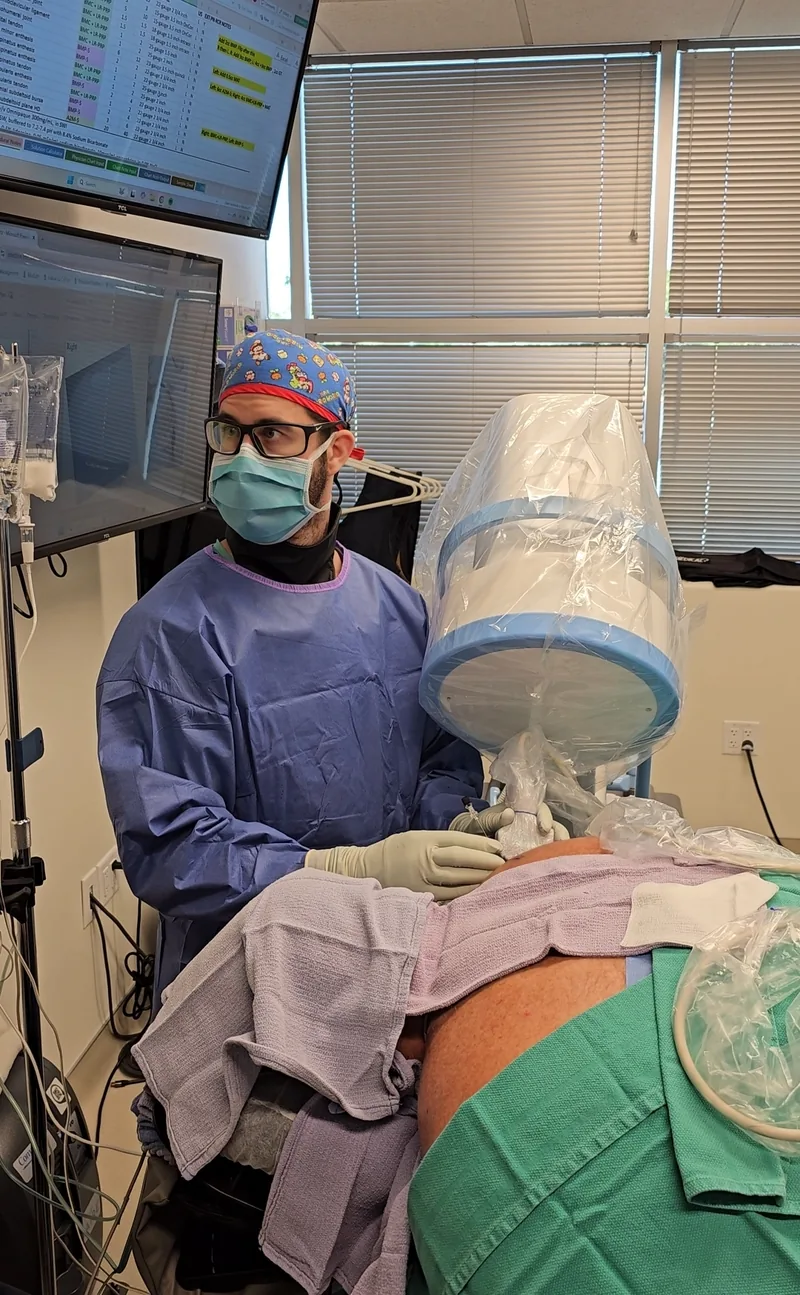
Our History with Stem Cell Therapy
While in residency at the Neil Riordan Center for Regenerative Medicine, Dr. Timmermans began performing both bone marrow concentrate and micro-fragmented adipose tissue procedures in 2017. Since this time, Dr. Timmermans has refined his technique and equipment to offer focused, image-guided stem cell therapy with outcomes tracked through a registry.
In 2021, Dr. Timmermans partnered with DataBiologics, a patient reported outcome registry that has tracked almost every single injection he has performed since joining. The data from this registry lets us measure our results rather than estimate them. Among stem cell treatments, 94% of cases with a completed six-month satisfaction survey were rated satisfied or extremely satisfied. Above 95% with completed twelve-month case responses were also rated satisfied or extremely satisfied. A case is one treated area; some patients are treated for more than one.
What Is the Success Rate of Stem Cell Therapy?
There is no single success rate for stem cell therapy; response depends on the structure treated and the accuracy of the diagnosis.
We also track our own results. Nearly every injection performed at Regenerative Performance is followed in the DataBiologics outcome registry, so the numbers below reflect real patients treated in our clinic, not estimates.
Across all patients tracked in our registry, 48% had achieved significant pain relief 1 month after treatment, increasing to 58% at 3 months and 80% at 18 months. For the knee, the most common body part we treat, 49% of knee patients across all regenerative procedures we track report significant pain relief 1 month after treatment, increasing to 64% at 6 months and 79% at 18 months. Registry data updated July 2026.
Published research supports both the safety of autologous bone marrow concentrate procedures and meaningful improvements in pain and function for orthopedic conditions such as knee osteoarthritis12.
Significant pain relief means at least a 50% reduction in pain score from baseline, or a best-available pain score of 2 or lower on a 0 to 10 scale. If you are weighing stem cell therapy against joint replacement, our guide to alternatives to knee replacement walks through what the evidence shows.
Registry data from our single practice, powered by DataBiologics, is not a randomized clinical trial. Individual results may vary.
Stem Cell Therapy Is Probably Not Right If:
- You are seeking a certain outcome; no regenerative treatment works for every patient, and results vary
- You have an active infection, or an active cancer that has not been cleared for an elective procedure by your oncologist
- Your joint or tendon damage is severe enough that surgery is clearly the better option; we will tell you if that is the case
- You are not willing to follow the post-procedure activity and rehab guidance that protects your results
Candidacy for stem cell therapy is determined at an in-person evaluation, where a physical exam and diagnostic ultrasound show us whether your condition is likely to respond. We would rather tell you upfront than waste your time.
What Our Patients Say
Just had my 9 month checkup for the Stem Cell procedure on my knee and I am blown away by the huge improvement I have noticed in reduction of knee pain, movement and strength.
Verified Google review
I trusted him and chose the most comprehensive of the 3 options presented to me: PRP and the 'Intra-Osseous' Bone Stem Cell injections.
Verified Google review
It took a while to take effect, but over time I did feel a significant reduction in swelling, pain and less clicking in my knees.
Verified Google review
Frequently Asked Questions
Why choose Regenerative Performance for stem cell therapy?
Regenerative Performance specializes in non-surgical stem cell therapy performed under image guidance by Dr. Drew Timmermans, ND, RMSK. Dr. Timmermans is RMSK-certified in diagnostic musculoskeletal ultrasound and completed a residency in integrative pain management and regenerative medicine. He practices evidence-informed orthobiologics, which means your care is guided by both the latest research and real-world clinical experience.
We use image-guided injections with ultrasound and/or X-ray (fluoroscopy) depending on the type and location of the injection, delivering regenerative medicine precisely where your body needs it most.
We take the time to understand the full picture of your health with in-depth diagnostics before recommending any treatment. Every plan is personalized to your unique condition, anatomy, and goals. Dr. Timmermans also trains medical students and residents, helping to shape the next generation of regenerative medicine providers.
Where can I find stem cell therapy for pain relief near Gilbert, AZ?
Regenerative Performance provides stem cell therapy for pain relief in Gilbert, Arizona, serving patients across the East Valley. Led by Dr. Drew Timmermans, ND, RMSK, the clinic specializes in image-guided injections that use your body’s own healing cells to treat joint pain, soft tissue damage, and chronic orthopedic injuries. Patients come to the Gilbert clinic from Mesa, Chandler, Scottsdale, and across the greater Phoenix area.
Is stem cell therapy at Regenerative Performance safe for orthopedic pain?
Stem cell therapy using your own cells, performed under image guidance, has a strong published safety profile for orthopedic conditions. Because these are autologous procedures, using your own bone marrow or fat tissue rather than donor or lab-grown cells, the risk of an adverse reaction is extremely low. Among the cases with completed safety follow-up in our registry, zero severe treatment-related adverse events have been reported, in registry data collected over more than 5 years. Results vary by condition and patient.
How long do stem cell therapy injections last at Regenerative Performance?
Stem cell therapy results for orthopedic conditions often last several years, though every patient responds differently based on condition, age, and activity level.
Some published research suggests meaningful improvements can last several years following stem cell treatment. Because stem cell therapy supports healing rather than only masking symptoms, many patients report more lasting relief than they did with treatments aimed only at symptom control.
We monitor your progress closely after treatment and provide guidance on how to support and extend your results through movement, nutrition, and other supportive therapies.
Why does the cost of stem cell therapy at Regenerative Performance vary from other clinics?
Stem cell therapy costs vary between clinics because the depth of the diagnostic workup, the imaging guidance, the cell processing methods, and the follow-up care differ widely.
A comprehensive evaluation, precise image-guided delivery, and careful cell concentration take more time, training, and equipment than a quick spin-and-inject protocol, and that difference often shows up in outcomes. On a phone call or discovery call, Regenerative Performance can give you a fee range by body region and procedure type; your specific quote and treatment protocol come only after the clinician completes the new-patient evaluation and finalizes your working diagnosis and treatment plan, since the diagnosis determines which structures are treated.
Is stem cell therapy painful at Regenerative Performance?
Most patients tolerate stem cell injections well, with only brief pressure or discomfort during the procedure. We take every step to keep you as comfortable as possible, especially in sensitive areas.
For those who are anxious about pain or prefer a more relaxed experience, IV anesthesia is available, allowing you to rest comfortably while we perform your procedure with precision using ultrasound or X-ray guidance. We talk through all your options beforehand, so you feel informed, prepared, and at ease.
Will insurance cover stem cell therapy?
Insurance may cover blood-forming stem cell transplantation for certain blood cancers and blood disorders when plan criteria are met, but stem cell injections for joint or tendon pain are generally not covered because insurers consider them investigational. You may be able to use HSA or FSA funds if the treatment qualifies as an eligible medical expense, and we have partnered with Advance Care Card, which you can apply to help finance your treatments. Some health-share members may be eligible for sharing. Regenerative Performance is not contracted with any insurance providers; we are a cash-pay clinic.
What conditions does stem cell therapy treat at Regenerative Performance?
Stem cell therapy at Regenerative Performance treats orthopedic conditions including arthritis, sports injuries, tendon and ligament damage, low back and SI joint pain, and chronic joint problems. Whether the pain is in your knees, hips, shoulders, or spine, our goal is to support your body’s natural healing and help you avoid surgery whenever possible.
References
- Manchikanti L, Centeno CJ, Atluri S, et al. Bone Marrow Concentrate (BMC) Therapy in Musculoskeletal Disorders: Evidence-Based Policy Position Statement of American Society of Interventional Pain Physicians (ASIPP). Pain Physician. 2020;23(2):E85-E131. PMID:32214287
- Centeno C, Sheinkop M, Dodson E, et al. A specific protocol of autologous bone marrow concentrate and platelet products versus exercise therapy for symptomatic knee osteoarthritis: a randomized controlled trial with 2 year follow-up. J Transl Med. 2018;16(1):355. DOI: 10.1186/s12967-018-1736-8
- Borić I, Hudetz D, Rod E, et al. A 24-Month Follow-Up Study of the Effect of Intra-Articular Injection of Autologous Microfragmented Fat Tissue on Proteoglycan Synthesis in Patients with Knee Osteoarthritis. Genes (Basel). 2019;10(12):1051. DOI: 10.3390/genes10121051
- Hernigou P, Centeno CJ, Berger DR, Dodson E, Murphy MB. Intraosseous Bone Marrow Concentrate and Long-Term Procedure-Free Survival in Bilateral Non-Traumatic Ankle Osteoarthritis: A Contralateral-Controlled Study. Medicina. 2026;62(9):1693. DOI: 10.3390/medicina62091693